


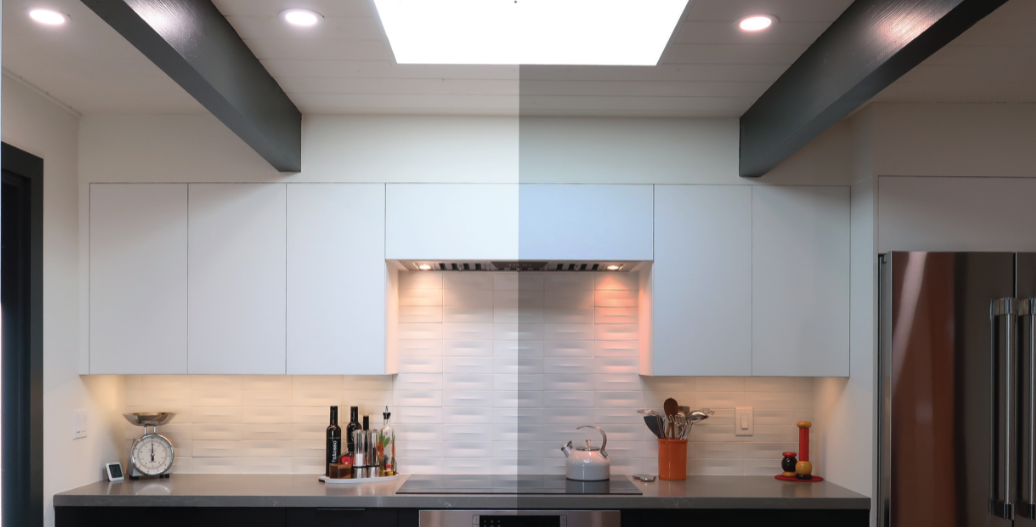

LED dimming refers to controlling the brightness or intensity of LED lights. Whether you're looking to create ambiance, save energy, or extend the life of your lighting, dimming is a key component of a well-designed lighting system.
Traditional incandescent and halogen bulbs dim differently than LEDs. LED dimming requires more precision, often relying on different technologies like PWM or 0-10V dimming to achieve smooth performance.
Quick Start Checklist for Successful LED Dimming
- Verify dimmer compatibility with your LED product.
- Match the power supply to the load range.
- Understand your wiring setup (e.g., forward phase, 0-10V, PWM).
- Install dimmers per NEC guidelines and local codes.
Understanding LED Dimming
What Does it Mean to Dim Something?
Dimming refers to reducing the light output of a fixture. With LEDs, this is done by adjusting the power signal – either on the input side (AC), as shown in Figure 1, or at the LED level (DC), as shown in Figure 2.


How LED Dimming Differs from Traditional Dimming
Unlike incandescent lights, LEDs require specialized dimming controls. Traditional dimming cuts power through resistance; LED dimming uses electronic methods like phase-cutting or modulation.
What Are You Actually Dimming?
- Phase dimming: Trims the AC current to the driver.
- 0-10V dimming: Modifies the power input signal.
- PWM dimming: Modulates the actual light output using digital signals.
Key Components of LED Dimming Systems
- Dimmable LEDs
- LED drivers
- Dimming controls
Benefits of LED Dimming
- Energy Efficiency: Lower wattage means lower energy use.
- Mood setting: Adjustable brightness enhances ambiance.
- Extended Lifespan: Less power generates less heat, preserving LED life.
- Cost Savings: Reduced energy use translates to lower bills.
Types of LED Dimming Technology
Forward Phase Dimming
Forward phase dimming, also called TRIAC dimming, has been in use since the 1950s and works by “cutting” the front portion of the AC sine wave. An AC sine wave shows the fluctuation of voltage and current in a circuit, where voltage and current alternate between positive and negative values over time. AC sine waves are commonly used in household electricity.
While forward phase dimming is a common and cost-effective method, it’s generally less ideal for LEDs. It is compatible with magnetic low voltage (MLV) power supplies and works best with incandescent bulbs or LED systems that use specific, forward-phase compatible drivers. For optimal performance, it’s important to verify that the dimmer and LED driver are designed to work together.

Reverse Phase Dimming
Reverse phase dimming, also known as ELV (Electronic Low Voltage) dimming, works by cutting the back portion of the AC sine wave. This method is more compatible with LEDs and delivers smoother, flicker-free dimming performance. It’s ideal for modern LED drivers and is the recommended choice for aspectLED ultra-thin fixtures.

PWM Dimming
Pulse Width Modulation (PWM) is a digital dimming method that rapidly switches power on and off to control brightness with precision. Instead of a sine wave, it relies on rapidly switching the power on and off using a DC square wave, allowing for full-range dimming and exceptional accuracy. This technique is especially effective for color control and is commonly used in DMX systems and other smart lighting controls.
0-10V Dimming
The 0-10V dimming method is an analog control system that adjusts brightness by sending a low-voltage DC signal to multiple drivers. Originally developed for fluorescent lighting, it remains widely used in large-scale LED installations. It’s compatible with many commercial fixtures, offers good scalability, and is often preferred for projects that require controlling numerous lights more efficiently than phase dimming methods.
Choosing the Right Dimming Solution
For Residential Applications
In homes, phase dimming – either forward or reverse phase – is the most common method for controlling lighting. Many homeowners also opt for smart integration using systems like Wi-Fi, Zigbee, or Z-Wave for added convenience and automation. When selecting a dimmer, consider the switch style you prefer- such as toggle, paddle, or dial- to match your décor and usability needs. Always follow local electrical codes and, if required, hire a licensed electrician to ensure a safe and compliant installation.
For Commercial Applications
In commercial spaces, scalability is a primary consideration, whether the project involves a small office or a large building. For larger systems, 0-10V dimming is the standard, offering reliability and ease of expansion. Many commercial lighting systems can also integrate with building automation platforms for centralized control. When planning, it’s important to consider energy management features and advanced control options to optimize both efficiency and operational costs.
Dimming Compatibility Guide
How to Identify Dimmable LEDs
Always verify that your LED fixture is dimmable. Check the product spec sheet for supported dimming technologies.
Matching Dimmers with LED Products
- Check for compatibility terms like “TRIAC,” “ELV,” or “PWM”
- Match dimmer type to driver type
Load Calculation and Requirements
- Ensure your total wattage falls within the driver’s dimming range. We recommend a load of 60%-80% of the driver’s capacity, unless otherwise specified.
- Undersized loads can cause flickering or poor dimming range
Avoiding Common Compatibility Issues
- Confirm power supply load ratings
- Use constant voltage power supplies for LED strips
- Follow NEC guidelines and product manuals for optimal performance
Dimmer Installation and Setup
Wiring Requirements
When installing LED lighting, always use UL- or ETL-listed wire and maintain proper separation between high- and low-voltage wiring to ensure safety and compliance. All wiring must follow the National Electrical Code (NEC) as well as any additional requirements from your local jurisdiction.
Driver Placement
LED drivers must remain accessible to comply with code. For recessed fixtures, ensure the driver can be reached through the fixture opening to allow for maintenance or replacement without damaging the ceiling.
Control System Integration
Choose control systems that are fully compatible with your lighting, such as Lutron Caseta, Casambi, or DMX. If reliability is a concern, avoid Wi-Fi–based systems and consider Bluetooth or other hardwired alternatives for consistent performance.
Professional vs. DIY Considerations
Depending on the scope of the project, you may be required to hire a licensed electrician. In some cases, permits will also be necessary, particularly for installations involving new wiring or electrical modifications.
Troubleshooting Common Issues with Dimmers
Flickering
If your LEDs are flickering, start by checking for loose connections and ensuring that your system meets the minimum load requirements for the dimmer or driver.
Limited Dimming Range
A restricted dimming range is often caused by underloading the driver, so make sure your connected load meets the recommended specifications.
Buzzing Sounds
Buzzing may be the result of harmonic interference between the dimmer and driver. In these cases, adjusting the operating frequency or switching to a different control type can help eliminate the noise.
Voltage Drop in LED Strips
To prevent uneven dimming in LED strips, respect the manufacturer’s maximum run lengths. Additionally, use voltage drop calculators and follow NEC guidelines to size wiring and plan runs correctly.
Color Consistency
Variations in LED color can occur due to differences between LED manufacturing batches, or from aging over time. For the best match, purchase all LEDs for a project at the same time and from the same batch.
Smart Dimming Solutions
Modern lighting control offers a range of wireless protocols, including Zigbee, Z-Wave, Bluetooth, and the emerging Matter standard. Many systems feature mobile app control or Bluetooth dimmers, allowing you to manage brightness levels and zones directly from your smartphone. Voice activation is also widely supported, enabling integration with Alexa, Google Home, or Apple HomeKit for hands-free operation. Advanced scene-setting capabilities let you create moods and lighting presets, while automation options can adjust lighting based on time schedules, motion detection, or daylight harvesting. In some regions, such as California, these automation features are required to meet Title 24 compliance.
Why Choose aspectLED
At aspectLED, every product undergoes rigorous in-house testing to ensure compatibility and optimal performance. We are committed to offering only the highest quality, thoroughly vetted products, backed by reliable warranties for your peace of mind. Additionally, our team of LED experts is available to provide technical support, guiding you through every step of your project to ensure success.
LED Dimmer Project Planning Guide
Assessing Your Needs
Begin by defining the purpose of your lighting – what you want to illuminate and why.
Calculating Requirements
Next, determine the appropriate lumen output based on the size of the space and its intended use to ensure adequate brightness.
Selecting Products
Choose the right products to meet your goals, whether that’s overhead fixtures, LED strips, or custom lighting solutions tailored to your project.
Implementation Steps
Once your choices are clear, follow these steps:
- Select your lighting
- Calculate the total light output needed
- Decide on the control method
- Purchase your aspectLED products
- Then install them yourself or with the help of a professional.
This approach ensures a smooth, efficient lighting setup that perfectly fits your needs.
To Conclude
Mastering LED dimming is essential for creating efficient, comfortable, and versatile lighting environments. Whether for residential or commercial applications, understanding the differences between dimming technologies – such as forward and reverse phase, PWM, and 0-10V – is key to selecting the right solution for your project. Careful attention to compatibility, proper installation, and adherence to electrical codes ensures reliable performance and longevity.
With advances in smart controls and automation, LED dimming now offers unprecedented convenience, customization, and energy savings. By planning thoughtfully and choosing high-quality, tested products like those from aspectLED, you can achieve a seamless lighting experience that enhances any space while optimizing energy use and cost.


