



At aspectLED, we use a simple memory trick to recall key LED lighting specifications—we call them “The 5 AL’s.” Each category ends in “-al” and covers a crucial aspect of performance: Optical, Electrical, Environmental, Physical, and Credential. By keeping these five pillars in mind when evaluating our products, we ensure high-performance, professional-grade lighting solutions.
Optical
The generation, distribution, and manipulation of light fall under this category. It encompasses key elements such as light sources, intensity, color temperature, beam angle, and optical components like reflectors, lenses, and diffusers - all of which work together to shape and direct light for optimal performance and visual impact.
Our eyes perceive color using three types of cones that are most sensitive to red, green, and blue wavelengths. Using RGB matches how our vision processes color.
Color Rendering Index (CRI) is essential to gauge the quality of LED lighting. A high CRI rating in LED lighting is valued by both homeowners and professionals for its ability to reveal colors accurately and show spaces as they truly appear.

Correlated Color Temperature (CCT) is another important aspect of the Optical category. It is a measure of the color appearance of light emitted by an LED source, described in degrees Kelvin (K). It indicates whether the light appears more yellow/warm or blue/cool.
Another important aspect of the Optical category is luminosity, which explains the brightness of light. It is expressed in lumens.
Electrical
Power and control considerations are key components of lighting design. These attributes determine energy efficiency and support control systems like dimmers, sensors, switches, and smart technologies that automate lighting behaviors, such as turning lights on or off, dimming, or changing colors.
A simple way to remember the essential safety steps for electrical work is by using the acronym S.A.F.E.T.Y. – a quick guide to stay safe and prepared.
S: Shut off power.
A: Ask a licensed electrician if needed.
F: Follow NEC guidelines.
E: Equip yourself with proper PPE.
T: Treat the wires as live.
Y: You are responsible.
Electrical ratings typically include power (measured in watts), operating voltage, and details about dimming and control compatibility - such as reverse-phase dimming or PWM (pulse-width modulation).
Environmental
This category focuses on how lighting interacts with and affects the surrounding environment. It includes considerations such as the ability to withstand different temperatures and exposure to moisture.
IP (Ingress Protection) Rating is a standard that defines the level of protection LED lighting (or any electrical enclosure) has against solids and liquids. To learn more, check out our article: IP Ratings Explained: Understanding Waterproof LED Lights
Temperature range is another important factor to consider. LED Strip Lighting is designed to operate reliably in environments where the ambient temperature ranges between -40°F and 122°F. Installing LED strip lights outside this temperature range may result in reduced performance, shortened lifespan, or even failure of the product.
To ensure optimal operation, always confirm that there is sufficient airflow around the LED strips to prevent overheating. Additionally, proper heat dissipation is crucial - using an aluminum channel or other heatsink materials can help regulate temperature and improve longevity.
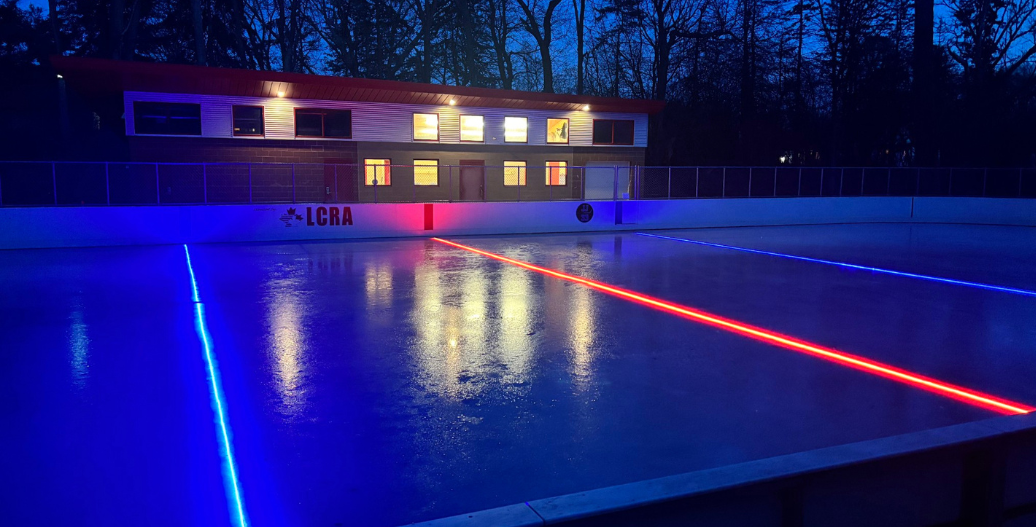
Our quality products at aspectLED withstood the cold temperatures at a local hockey rink in Little Canada, MN! This is where the cover image of this article is from. If you’re interested in learning more about the installation, check out this video below!
Physical
This attribute is everything about the physical characteristics of the light and its fixture, such as its physical size, weight, materials, and finish. It also includes how the product interfaces in the physical world: Methods used to mount and position lighting fixtures. It covers the physical installation of light fixtures, including ceiling mounts, wall mounts, brackets, poles, and hanging systems. It also addresses the structural aspects of how lights are integrated into the space, including adjustments for angle, height, and placement for optimal performance.
When selecting LED lighting, form, function, and feel play a crucial role in both aesthetics and performance. These three factors ensure that the lighting not only looks great but also serves its intended purpose effectively.
- Form (Design & Shape) - The physical appearance of the light affects how well it integrates into a space. Sleek, modern designs can enhance aesthetics, while compact or recessed options provide a seamless look.
- Function (Performance & Practicality) - Lighting should meet the specific needs of the space, whether it's providing bright task lighting, soft ambient illumination, or adjustable dimming capabilities. Features like beam angles, brightness levels, and energy efficiency all impact functionality.
- Feel (User Experience & Ambiance) - The quality of light influences how a space feels. Warm lighting creates a cozy atmosphere, while cooler tones enhance focus and productivity. Additionally, dimmable and tunable options allow for greater customization to suit different moods and activities.
Balancing form, function, and feel ensures that LED lighting not only enhances a space visually but also provides the right illumination for comfort and usability.
Credential
These are certifications for LED lighting that are essential to ensure product quality, safety, and performance. Below are a few credentials for our lighting, and a general overview of what they are for.
- UL (Underwriters Laboratories) ensures high standards of safety and sustainability and that LED lighting is free from any foreseeable risk of fire or danger.
- ETL (Edison Testing Laboratories) is a third-party certification that indicates a product meets safety standards in North America. Lighting products can be certified to meet NEC (National Electrical Code) safety requirements through the ETL certification program, which is provided by Intertek, a global safety and quality assurance company. NEC is a set of standards for safe electrical installation created by the National Fire Protection Association (NFPA).
- NSF (National Sanitation Foundation) ensures lighting products are safe for use in areas where hygiene and safety are important, such as food preparation and storage areas.
- ROHS (Restrictive of Hazardous Substances) ensures that products comply with environmental standards by prohibiting the use of certain hazardous substances in electrical and electronic equipment (EEE).
- CE ("Conformité Européenne" in French) indicates that a product meets EU (European Union) safety, health, and environmental requirements.
These certifications not only demonstrate regulatory compliance, but also give customers confidence in the reliability, safety, and environmental responsibility of our lighting solutions.
Final Thoughts
The “5 AL’s” framework - Optical, Electrical, Environmental, Physical, and Credential - provides a comprehensive approach to evaluating LED lighting performance. Each category highlights a critical aspect of quality and functionality, from the science of light and energy efficiency to durability, installation, and regulatory compliance. By using this simple yet effective method, aspectLED ensures professional-grade lighting solutions that meet the demands of both aesthetics and performance across a wide range of applications.


