


One of the most common questions we hear is: "Where does the dimmer actually go? On the AC side or the DC side?"
The answer depends on the type of system you're building.
Whether you're installing a simple white LED strip or a color changing lighting system, understanding where dimming takes place will help you choose the right power supply, controller, and dimmer while avoiding compatibility issues.
Every LED Strip Lighting System Has Three Main Components
Most low voltage LED strip lighting systems follow the same basic layout:
120V AC Power → Power Supply → LED Strip Light
The power supply converts your home's 120V AC power into low voltage DC power (typically 12VDC or 24VDC) for the LED strip.
The dimmer can be installed in one of two locations:
- AC side: Before the power supply
- DC side: After the power supply
Both methods work, but each requires different components.
Option 1: AC Side Dimming
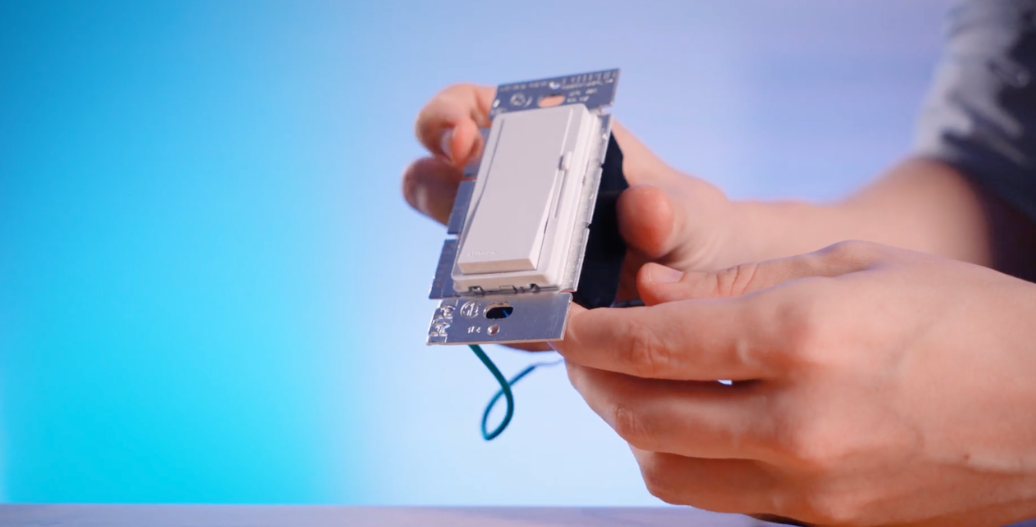
With AC side dimming, a wall dimmer is installed before a dimmable power supply.
Typical Wiring:

120V AC → Wall Dimmer → Dimmable Power Supply → LED Strip
The wall dimmer adjusts the incoming AC power, and the dimmable power supply converts that signal into a dimmed DC output for the LED strip.
Best for:
- Traditional wall dimmer installations
- Residential remodels
- Replacing existing lighting with LED strip lights
Important
The wall dimmer and power supply must be compatible. Depending on the power supply, this may include:
- Forward Phase (TRIAC)
- Reverse Phase (ELV)
- 0-10V
Using incompatible components can result in flickering, buzzing, limited dimming range, or lights that won't dim properly. For a deeper dive, check out our LED Dimming Guide.
Option 2: DC Side Dimming
With DC side dimming, the power supply provides constant voltage, and the dimmer is installed after the power supply.
Typical wiring:

120V AC → Constant Voltage Power Supply → PWM Dimmer → LED Strip
Instead of reducing the AC input, the PWM dimmer controls brightness by rapidly switching the DC output on and off. This provides smooth, consistent dimming while maintaining the correct operating voltage for the LEDs.
For many LED strip lighting applications, this is the preferred approach.
Best for:
- Single color LED strip lights
- Wireless controls
- Smart lighting systems
- Multi-zone installations
Can You Use a Non-Dimmable Power Supply?
Yes. If you're using a DC PWM dimmer, you typically should not use a dimmable power supply.
Your system simply becomes:
120V AC → Constant Voltage Power Supply → PWM Dimmer → LED Strip
In this setup, the power supply delivers full output, and the PWM dimmer controls brightness on the low voltage side.
This is one of the most common configurations for LED strip lighting because it offers excellent dimming performance while giving you flexibility in choosing controllers and remotes.
What About RGB and Color Changing Systems?
RGB, RGBW, RGBCCT, Tunable White, and addressable LED strip lights are always dimmed on the DC side.
That's because the controller isn't only adjusting brightness. It's also controlling color, color temperature, scenes, and lighting effects.
A typical system looks like this:
120V AC → Constant Voltage Power Supply → Controller → LED Strip
The controller becomes the central control point for the lighting system.
Should You Use Both AC and DC Dimming?
In most applications, no.
Using both an AC wall dimmer and a DC PWM dimmer on the same lighting circuit can lead to compatibility issues and inconsistent performance unless the system is specifically designed for multiple control methods.
For the best results, choose one dimming method and build the system around it.
Installation Best Practices
No matter which dimming method you choose:
- Size the power supply appropriately for the connected load. A good rule of thumb is to keep the continuous load at or below 80% of the power supply's rated output.
- Match the dimmer or controller to the type of power supply being used.
- Keep power supplies accessible for future service or replacement.
- Follow the wiring instructions and installation guides.
- Install all equipment in accordance with the National Electrical Code (NEC) and any applicable local electrical codes.
Quick Reference
| Goal |
Recommended Setup |
|
Traditional wall dimmer |
Wall Dimmer → Dimmable Power Supply → LED Strip |
|
Single color LED strip |
Constant Voltage Power Supply → PWM Dimmer → LED Strip |
|
RF, Bluetooth, or Wi-Fi control |
Constant Voltage Power Supply → Wireless Controller → LED Strip |
| RGB or RGBW lighting |
Constant Voltage Power Supply → RGB Controller → LED Strip |
| Tunable White lighting | Constant Voltage Power Supply → Tunable White Controller → LED Strip |
| Addressable lighting | Constant Voltage Power Supply → Addressable Controller → LED Strip |
The Bottom Line
If you're wondering where the dimmer belongs, the answer comes down to the type of power supply you're using.
- If you're using a dimmable power supply, install the dimmer on the AC side.
- If you're using a standard constant voltage power supply, install a PWM dimmer or controller on the DC side.
Both methods provide reliable dimming when the components are designed to work together. Choosing the right system architecture from the start will help ensure smooth performance and simplify installation.
Are you an installer, electrician, or lighting professional? Join the aspectLED Pro Program for exclusive pricing, dedicated support, and resources designed to help you complete projects with confidence.


