


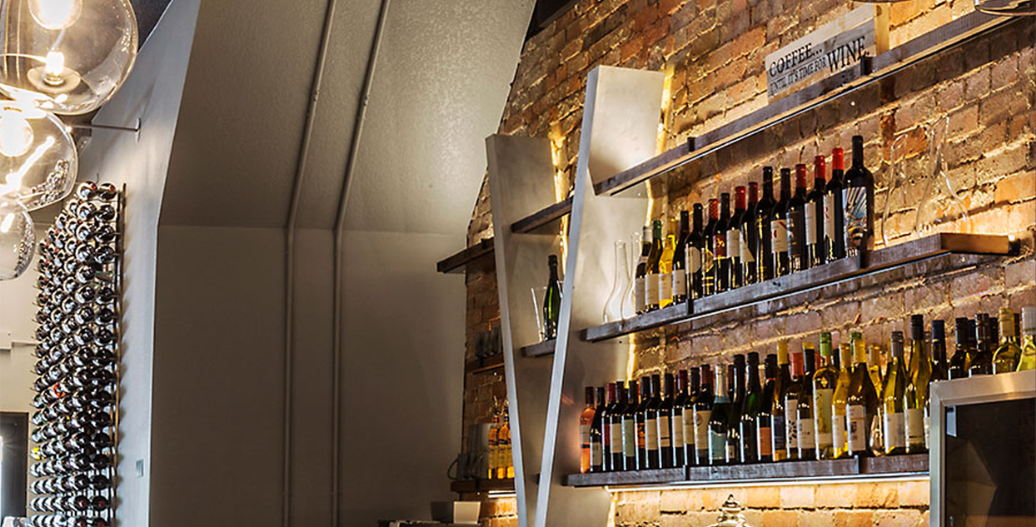

Restaurant lighting does more than illuminate the room – it sets the mood, enhances food presentation, influences customer perception, and impacts your energy costs every single day. Whether you're refreshing your dining room, updating the bar, or planning a new build, the right lighting can elevate your atmosphere and improve operational efficiency.
This guide walks through how to select the right restaurant lighting based on area, ambiance, compliance requirements, and energy savings to give you practical insights to make your lighting decisions easier and more informed.
Quick Specs by Restaurant Zone
| Restaurant Zone | Recommended Specs |
|---|---|
| Dining Room | 2700K–3000K, CRI 90+, dimmable |
| Bar | 2700K–3500K, CRI 90+, accent-ready |
| Kitchen / Prep | 4000K–5000K, NSF-certified, IP65+ for wet areas |
| Outdoor / Patio | 2700K–3000K, IP65 minimum |
Why Restaurant Lighting Is Different
Restaurants are unique environments. Unlike offices or retail stores, restaurant lighting must balance ambiance, safety, food presentation, and long operating hours. It isn’t just functional; it’s part of the experience.
- Ambiance Drives the Guest Experience: Soft, warm lighting can make a dining room feel intimate and inviting, while harsh or mismatched lighting can make even great food feel unappealing. The right lighting supports your brand, your décor, and the emotions you want guests to feel.
- Energy Usage Adds Up Quickly: Most restaurants operate lighting for 12–16 hours a day. That means older, inefficient fixtures can dramatically increase electrical and HVAC costs, especially if you’re running dozens of halogen downlights.
- Heat and HVAC Loads Matter: Halogen and incandescent lighting generate heat, driving up cooling needs in kitchens and dining areas. LEDs reduce this load significantly.
- Color Quality Affects Food Appearance: Color rendering matters. High-CRI LEDs make individual ingredients and plated dishes look vibrant and appetizing, which directly affects customer perception and photography.
- Different Areas Need Different Lighting: From prep areas to patios, each space has unique lighting needs, requirements, and safety considerations.
- Product Quality is Important: Cheap LEDs often struggle to dim smoothly or have inconsistent color temperatures. In restaurants, poor dimming performance or mismatched color can be instantly noticeable.
Selecting Restaurant Lighting by Zone
Restaurants rely on layered lighting approaches, and the best results come from tailoring the lighting to each area. Below are practical restaurant lighting ideas based on zone.
Dining Room
This is where ambiance matters most. Consider:
- Warm color temperatures (2700K–3000K) for a welcoming, relaxed atmosphere
- High CRI (90+) to showcase food as vibrant, fresh, and appealing
- Dimmable lighting to shift from bright brunch vibes to softer dinner moods
- Smooth dimming performance – not all LEDs dim without flicker, selecting the correct type and size of power supply is key.
Tip: High-quality drivers and power supplies can make the difference between smooth, professional dimming and issues like flickering lights.
Bar Area
Bars typically need layered lighting:
- Slightly brighter task lighting for bartenders
- Accent lighting for bottle displays, shelves, or under-bar areas
- Strategic focus lighting to highlight featured spirits
Backlighting using LED strip lights or light sheets can elevate the bar visually without overwhelming guests.
Kitchen & Prep Areas
For kitchens, safety and compliance come first.
- Bright white light (4000K–5000K) improves visibility and cleanliness
- NSF-certified fixtures help meet health code requirements
- Designed to resist grease, moisture, and heavy cleaning agents
- Smooth surfaces that are easy to sanitize
- Durable construction for constant use
High-performance kitchen lighting keeps your team safe and your operation compliant.
Entry & Host Stand
This is the guest’s first impression. Consider:
- Warm but slightly brighter lighting
- A balance between welcoming and functional
- Focused illumination for menus, greeting zones, and point of sale stands.
Outdoor & Patio Areas
Exterior lighting extends the dining experience and must withstand the elements.
- IP-rated fixtures for weather resistance
- Warm tones to match interior ambiance
- Smart controls like Casambi for automated schedules
Key Questions to Ask About Any Fixture
- Does it dim smoothly with your existing control system?
- What’s the actual CRI rating? (Look for true 90+)
- Is it NSF certified for back-of-house or bar areas if required?
- What’s the warranty length and who handles service?
- Is the product built for commercial use?
These questions help ensure that your lighting supports both performance and longevity.
Where the Energy Savings Come From
LED lighting delivers significant energy and cost reductions for restaurants.
- LED vs. Halogen Comparison: A typical 50W halogen downlight can often be replaced with a 7W LED, delivering immediate savings. Operating lights 12–16 hours per day multiplies these savings quickly.
- Reduced HVAC Load: Halogen lighting produces a lot of heat. Replacing hot fixtures with LEDs lowers cooling demand. This is especially important in warm dining rooms and busy kitchens.
-
Lower Maintenance Costs: LEDs last significantly longer than traditional bulbs. This results in:
- Fewer service calls
- Less disruption in dining spaces
- Reduced replacement costs
- Smart Controls: Dimming during slow periods or off-hours can further reduce energy use.
Kitchen Lighting Compliance
Restaurant kitchens require specialized lighting designed for safety and sanitation. NSF certification is a critical part of most local codes.
Why NSF Certification Matters
- Health inspectors often require it
- Ensures fixtures are sealed to prevent contamination
- Withstands strong cleaning agents and moisture
- Designed for long-term durability under harsh conditions
Where You Need NSF Lighting
- Commercial kitchens
- Prep stations
- Some bar areas (depending on local health codes)
What to Verify
- True NSF certification (not “food safe”)
- Cleanable surfaces
- Appropriate IP rating for moisture and cleaning
Working with Restaurant Lighting Suppliers
Choosing the right partner can make restaurant lighting upgrades easier, faster, and more cost-effective.
What to Look For
- Experience with restaurant or hospitality projects
- Understanding of NSF requirements
- Strong technical support
- Realistic lead times
- Clear documentation and specs
- Commercial-grade warranties
Questions to Ask
- Can you help with lighting layouts for my concept?
- Which fixtures are NSF certified?
- What are your typical lead times?
- How does your warranty process work?
- Can you collaborate with my contractor or electrician?
Where aspectLED Fits In
As a direct restaurant industry lighting supplier, aspectLED provides hospitality-grade LED lighting with smooth dimming, high CRI, and durable construction. We offer NSF-certified fixtures for kitchens, commercial-grade strip lights and light sheets for bars and dining rooms, and smart control options like Casambi. Our team supports restaurants and contractors from design through installation.
Common Questions
Do I need to upgrade everything at once?
No. Most restaurants start with the dining room or bar, then upgrade kitchens and outdoor spaces later.
What color temperature should I choose for the dining room?
2700K–3000K delivers warm, inviting ambiance. Cooler tones often feel too institutional.
Is it worth upgrading if my lights still work?
Often yes. Lighting contributes to ambiance, photography, and perceived quality. Consider your energy costs, labor for bulb changes, and the visual impact of improved lighting.
What are the fastest growing trends in restaurant lighting?
Dynamic lighting, such as addressable LED strip lights, adds motion, color shifts, and unique effects for bars and modern restaurant concepts.
To Conclude
LED upgrades make sense for most restaurants, but the best approach depends on your layout, concept, and priorities. Start with areas where ambiance matters most – dining room and bar – and don’t overlook NSF requirements in the kitchen. Quality lighting improves the guest experience, saves energy, and reduces maintenance in the long run.
Ready to explore your options? Let’s talk about what makes sense for your restaurant.
aspectLED specializes in LED systems built for hospitality – smooth dimming, high CRI, durable construction, and NSF certification where required. Whether you're refreshing the dining room or equipping a new kitchen, we help restaurant owners and contractors find the right fit.
Products We Recommend
- Addressable LED strip lights
- LED Strip Lights
- LED Light Sheets
- NSF Certified Fixtures
- Casambi Smart Controls
Contractors: Check out our Pro Program for technical support and trade benefits.


