

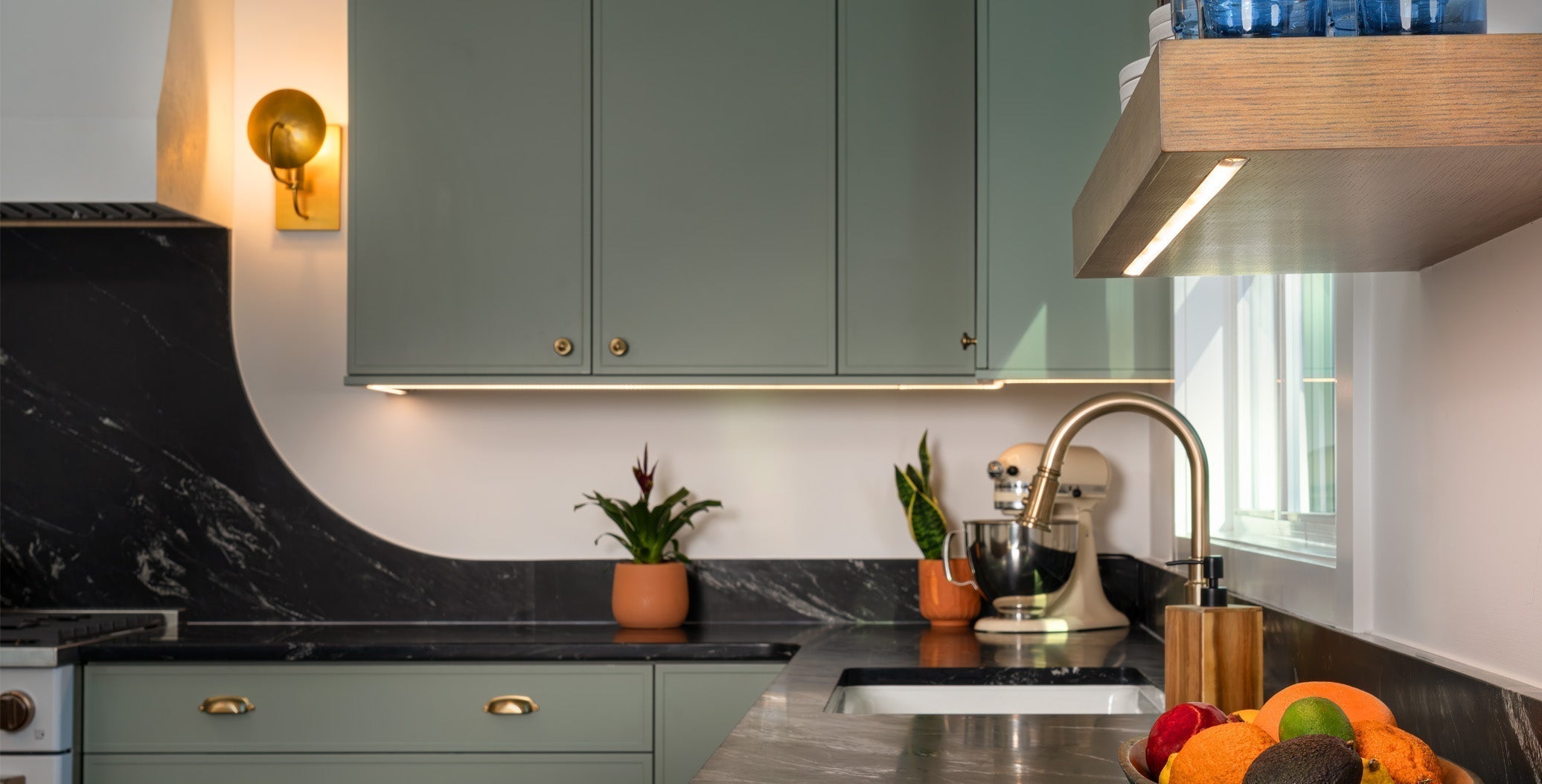

Under cabinet lighting is an excellent way to enhance both the style and function of a kitchen. It not only adds visual appeal but also serves the practical purpose of illuminating countertops where you need it most, whether that’s for meal prep, reading recipes, or simply creating a cozy evening atmosphere. To get the best results, thoughtful planning of your light bar layout is key.
Whether you're aiming for effective task lighting, highlighting a decorative backsplash, or enhancing the ambiance of the space, your intended goal should drive every decision—from placement and brightness, to color temperature and wiring.
Key Factors to Consider
Designing an under-cabinet lighting system that fits your kitchen starts with asking the right questions:
- What's your objective? Are you aiming for task lighting, or highlighting a decorative stone or backsplash? The approach for each application can differ significantly.
- Where not to install: Avoid placing lights directly over stoves, under microwaves, or in heat-sensitive areas. Focus on countertop areas where visibility is essential.
- What kind of cabinets do you have? Frameless (European-style) work well with full-length LED light bars across entire cabinet sections. For framed cabinets, installing light bars or strips individually under each frame section may offer better coverage.
- Wire planning: Visible wires/cords can detract from the clean, polished appearance of your kitchen lighting installation. Use plastic wire molds or conceal wiring under the cabinet lip for a clean finish.
- Power supply placement: Ideally, it should be hidden yet accessible. Common choices include the tops of cabinets, inside upper cabinets, or beneath deep lower cabinets. For more information, check out our article: How to Hide Power Supplies for LED Strip Lighting (Without Compromising Performance)
- Brightness and color temperature: Choose warm, neutral, or cool white based on the mood you want. If you’re undecided, go with a tunable white or RGB LED light bar that allows flexibility after installation.
- Control and dimming preferences: There are multiple options when it comes to dimming and control of your lights. Decide between simple on/off switches, traditional dimmer switches (compatible with single color lights only), or dynamic control options like remote/app-based dimmers. Note that color tuning and RGB setups require remote or app-based controls.
- Power requirements: Like LED strip lights, LED light bars have max run lengths. Depending on the product and wattage, you may need multiple power feeds or home-run wiring. Check the specs or consult an expert for guidance.
Benefits of Under Cabinet Light Bars
Installing under cabinet lighting offers a variety of benefits that enhance both the practicality and appearance of your kitchen. It significantly improves visibility for tasks like cooking, cleaning, and meal preparation, while also creating a warm, inviting ambiance suitable for both entertaining and everyday use. Energy-efficient LED technology helps reduce electricity costs and minimizes heat output, contributing to a more sustainable home. Additionally, the sleek, low-profile design of modern light bars adds a clean, contemporary look to your space. Together, these advantages can increase the overall value of your home by giving your kitchen a polished, custom-built feel.
Planning Your Light Bar Layout
Before purchasing LED light bars, take time to map out your kitchen’s lighting layout:
- Measure cabinet dimensions accurately to determine the appropriate size of light bars needed.
- Identify key work zones, such as prep areas, above the stove, and near the sink.
- Plan electrical access: You may be able to use existing outlets or consider hiring an electrician to add outlets if needed.
- Plan extension wire paths thoughtfully and use appropriately rated wire. When using extension wire, size the wire gauge appropriately keeping in mind the total load, the wire length, and whether the wire is in-wall rated—especially if it runs through inaccessible areas.
Important note: Always ensure compliance with the National Electrical Code (NEC). Use wires and components rated for kitchen environments, avoid circuit overload, and ensure professional-grade installation. If you’re unsure, it’s smart to consult an electrician or inspector.
Choosing the Right LED Light Bars
Choosing the right LED light bars depends on your lighting needs and preferences:
Color Temperature Options:
- Warm white (3000K): Cozy and inviting
- Cool white (4000K): Balanced and natural
- Day white (6000K): Crisp, bright, and ideal for task lighting
- Tunable white or RGB options: Perfect if you want to change the atmosphere or can’t decide upfront
- Wall dimmer switches (line-voltage dimming) offer traditional control for single color fixtures.
- Remote or app-based dimmers are necessary for color tuning or RGB setups.
Match existing lighting: If you’re adding new lighting to a space, match the color temperature to what’s already installed. Mismatched lighting can make your kitchen look uncoordinated.
Placement Techniques
Light placement plays a huge role in both how your kitchen looks and functions. Before mounting your under-cabinet lighting, it’s a good idea to mock it up by temporarily holding the light bar in place and powering it on to test the positioning. This allows you to find the optimal placement for both function and aesthetics. Be sure to maintain even spacing between light bars to ensure uniform light coverage across your countertops. Additionally, pay attention to the distance from both the backsplash and the front edge of the cabinet—improper placement can lead to unwanted shadows or uneven lighting.
What’s the Best Placement for Your Under Cabinet Light Bars: Front or Back?
Where you position your under-cabinet light bars can greatly impact both the functionality and aesthetics of your kitchen lighting. Placing light bars toward the front edge of the cabinet is ideal for task lighting, as it provides bright, focused illumination on your countertops where it's needed most. If your goal is to highlight a decorative backsplash or accent stonework, positioning the lights toward the back of the cabinet creates a more dramatic, ambient effect. To minimize glare, consider using angled 45° channel light bars that direct light outward or back toward the wall instead of directly down on the countertop.
Installation Considerations
The installation method you choose can significantly impact both the appearance and performance of your under-cabinet lighting:
- Surface-mounted light bars are the simplest to install and work well in retrofits.
- Recessed light bars offer a sleek, built-in look but typically require planning during cabinet fabrication.
- Wiring concealment: Use recessed channels, wire raceways, or route wires through cabinet backs for a clean look. Keep in mind that flexible cords can’t be used as permanent wiring unless the cord is listed for such use.
- Safety and code compliance: Always use wiring and equipment rated for kitchen use and follow NEC regulations.
When in doubt, hiring a qualified electrician can save time and ensure a safe, polished result.
Common Mistakes to Avoid
Avoid these common mistakes when installing under cabinet LED light bars to ensure a clean, functional, and professional-looking result:
- Too much or too little light - balance is key.
- Omitting dimming controls limits your ability to adjust lighting for different tasks or ambiance.
- Inconsistent color temperatures can create a disjointed or visually cluttered lighting effect.
- Visible wires or bulky hardware that disrupt the sleek, modern aesthetic.
- Poor wire management not only looks messy but can also pose safety concerns.
Troubleshooting Tips
Kitchens are high-traffic spaces where lighting systems are exposed to moisture, grease, and grime. If you encounter issues:
- Double-check all connections - loose wires are often the problem.
- Ensure tight, secure wiring.
- Clean connections in high-use areas regularly.
For persistent issues, contact our LED experts at (844) 979-3564 or support@aspectled.com
In Summary
A well-designed under cabinet lighting layout can dramatically improve your kitchen’s functionality, style, and energy efficiency. By thoughtfully planning your layout and selecting the right LED light bars, you’ll create a lighting system that works for your lifestyle and enhances your space.
Final Reminders:
- Measure carefully and sketch your layout before installing.
- Test light bar placement before mounting permanently.
- Choose high-quality LED products for longer life and better performance.
- Don’t cut corners on electrical work - safety and reliability come first.
With a well-thought-out plan and the right components, your kitchen will be brighter, more efficient, and better suited to your everyday needs.


